
Chapter 2 of 8 · Reviewed October 6, 2026
Equipment
Protect your cards and make buying easy.
Practical editorial guidance with linked sources. Examples and calculations are hypothetical; no purchase or profit is guaranteed.
In this chapter
Buy for the task, not the appearance
Editorial guidance: protective supplies, organized storage, clear prices, and a reliable payment setup matter more than an expensive display case. Bring a clean table covering, sleeves sized for standard cards, rigid holders or an appropriate binder, divided storage, labels, a pen, a charged phone, a battery pack, and a secure way to hold cash. Confirm whether the organizer provides a table and chairs, and whether power is available. Do not assume venue Wi-Fi will work during a busy show.
A protection system
Concept diagram, not a photograph or a packaging guarantee. Choose compatible sizes and avoid forcing a card into a tight holder. Ultra PRO describes sleeves and toploaders as complementary protective products.
- Soft sleeve: reduce direct handling of the card
- Rigid holder: support a sleeved card
- Storage box: keep holders upright and separated
- Outer packaging: secure the order for transport
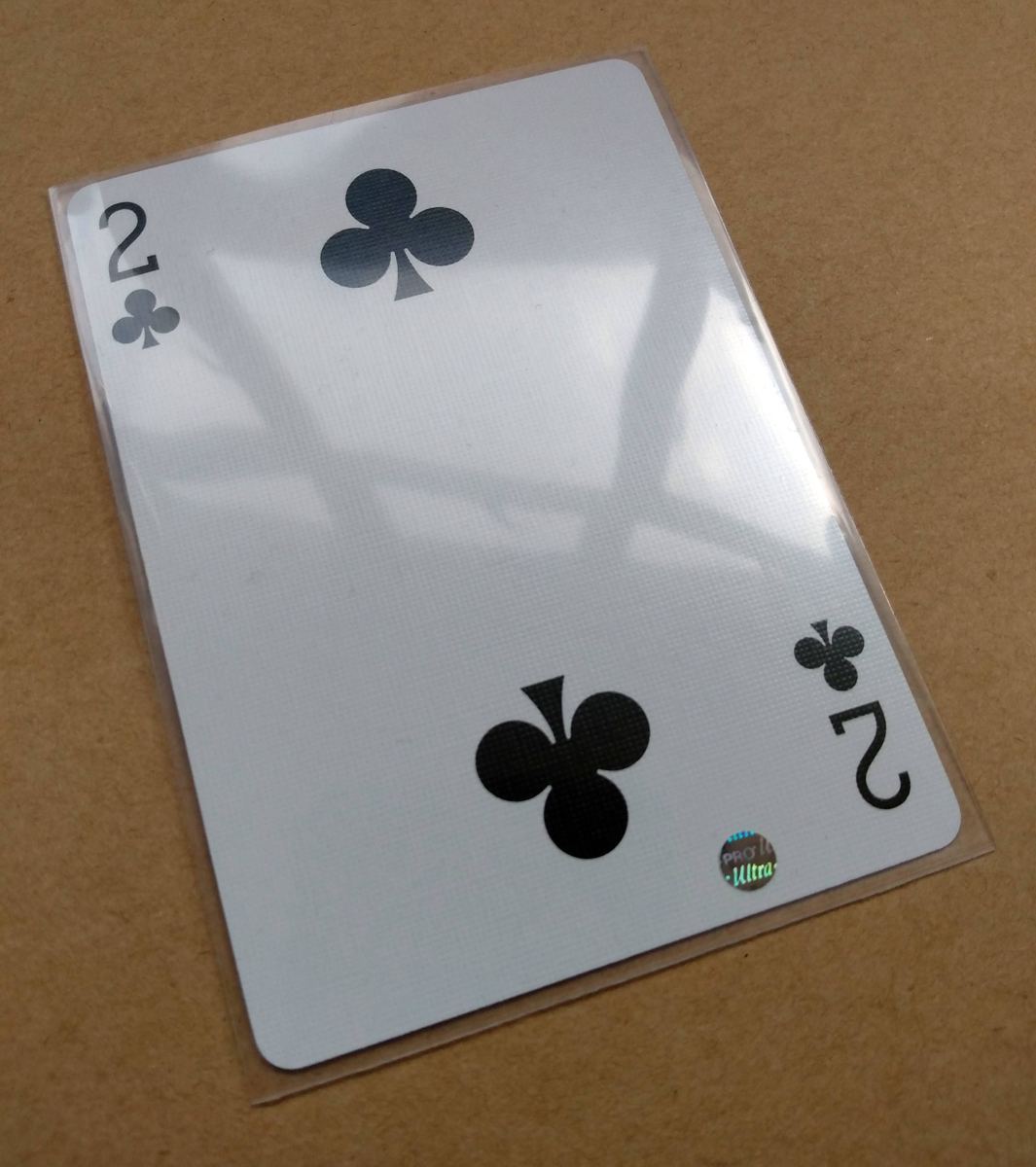
A soft sleeve
An ordinary playing card inside a transparent soft sleeve. This shows the protective product, not Pokémon card condition, a rigid toploader, or a recommended brand.
 Enlarge image
Sleeved playing card by Lord Belbury, via Wikimedia Commons. CC BY-SA 4.0. Resized and recompressed; this copy retains the same license. Original by Lord Belbury · CC BY-SA 4.0
Inspection and presentation tools
A diffuse light and a small magnifier help you see surface wear and edges. Rotate the card under light; magnification is an aid, not an authentication verdict. Use a clean inspection surface and ask permission before removing someone else's card from its holder. Price labels should identify the exact card and condition. Put labels on the outer holder, never on the card. A readable sign for accepted payment methods saves repeated explanations.
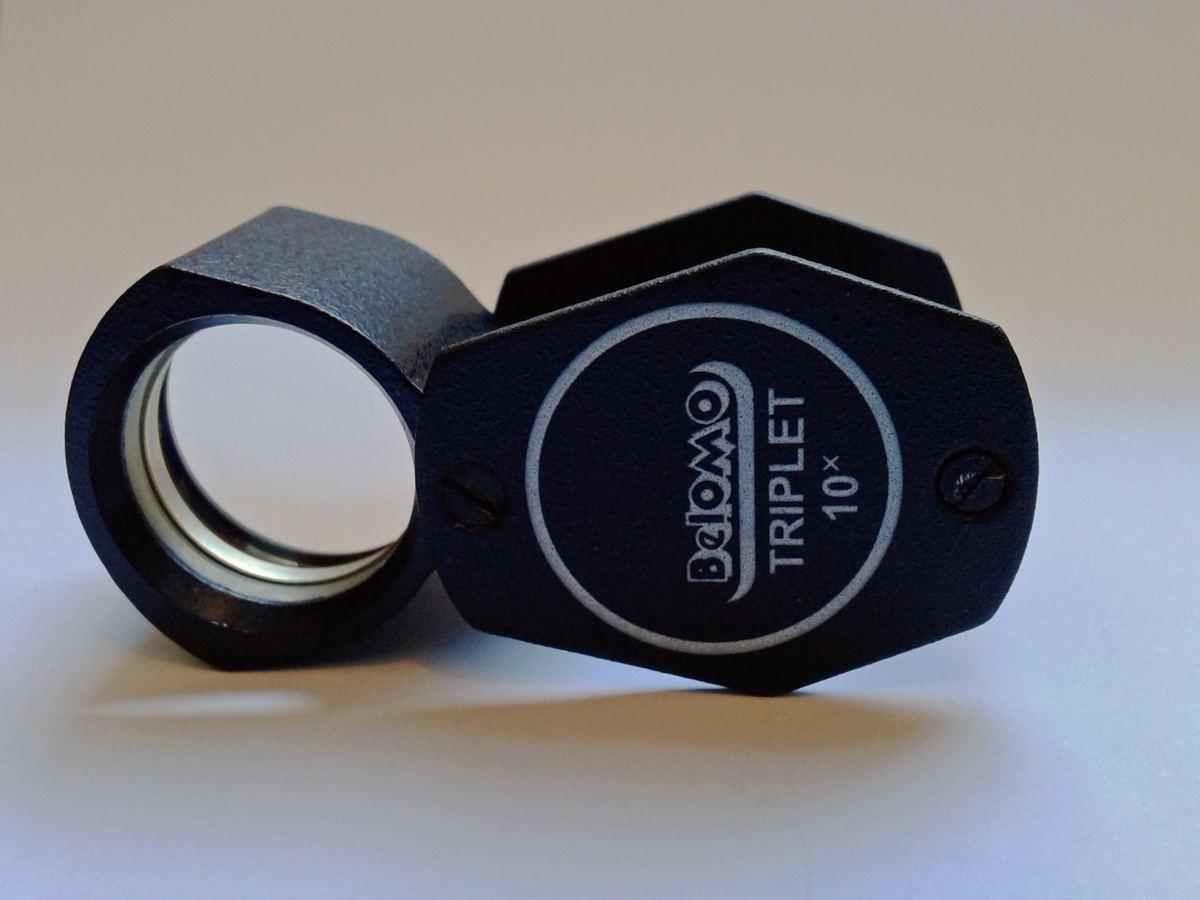
A folding inspection loupe
A real 10× folding magnifier. Use a loupe to inspect details, together with diffuse light and a full-card examination; magnification alone does not authenticate a card. Shown as an equipment example, not a brand recommendation.
 Enlarge image
BelOMO 10× achromatic triplet loupe 1 by Francis Flinch, via Wikimedia Commons. CC BY-SA 4.0. Resized and recompressed; this copy retains the same license. Original by Francis Flinch · CC BY-SA 4.0
When a display case earns its place
Hypothetical exampleHypothetical decision: you have $250 available and your inventory mostly sells below $20. A premium case may look impressive, but replenishing popular cards and reserving money for the table could serve you better. If you regularly display valuable slabs, compare locking cases, transport weight, sightlines, and organizer rules. Buy an upgrade when it solves a measured problem, such as customers being unable to browse safely.
Payments and shipping
Test your payment device and account before the show. Know which account receives the money, what fees apply, and whether you can issue a refund. Bring change appropriate to your prices. For online orders, match sleeves, rigid protection, outer packaging, postage, and tracking to the service's rules and the item's value. Keep tape away from the card and sleeve opening. Do not improvise expensive-card shipping after a sale; decide your method and coverage before listing.
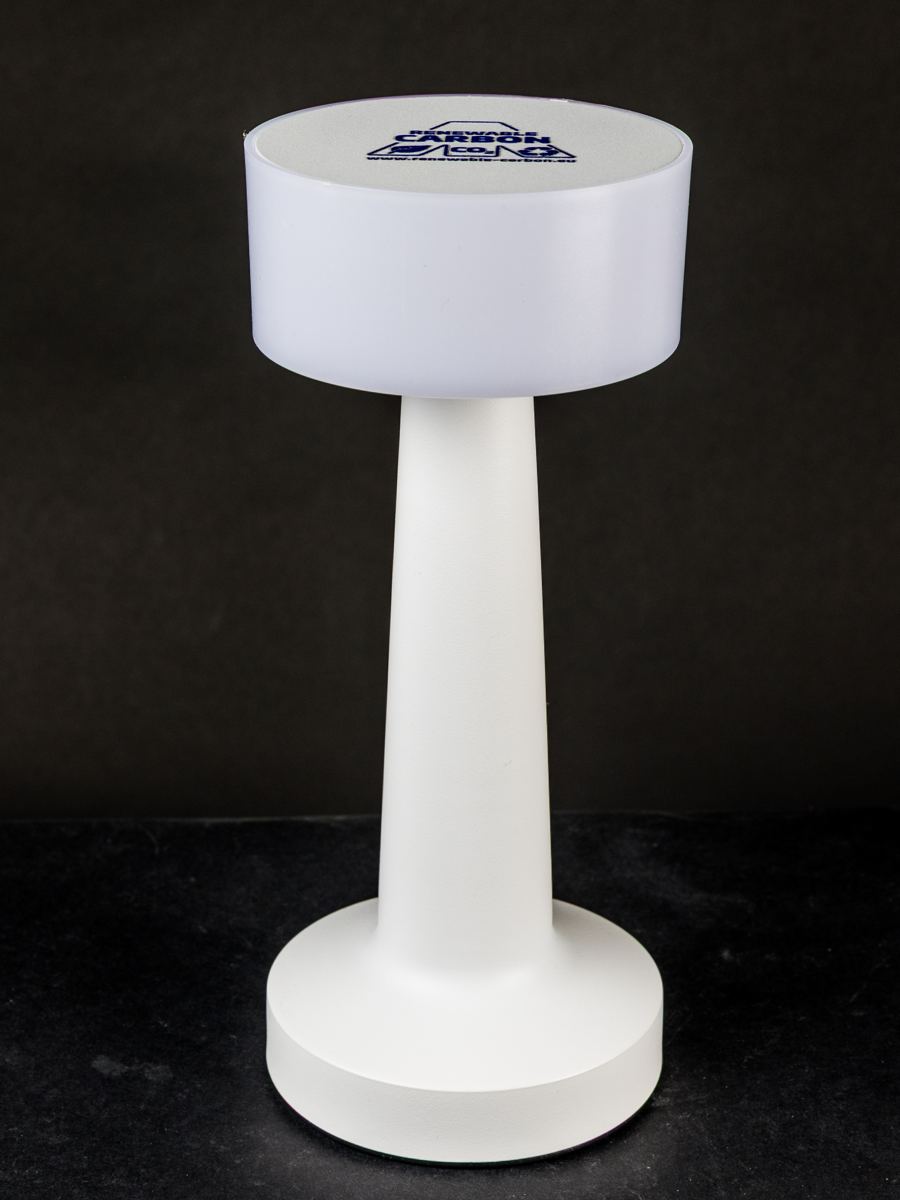
A portable light
A battery-powered LED desk lamp. Check brightness, glare, battery life, and organizer rules for your table. This equipment photograph does not demonstrate any card defect or establish that this model is suitable for every venue.
 Enlarge image
© Raimond Spekking / CC BY-SA 4.0 (via Wikimedia Commons). Resized and recompressed; this copy retains the same license. Original by Raimond Spekking · CC BY-SA 4.0
Pack the night before
Group supplies by the job they do.
Takeaway
Start with protection and reliability. Add equipment after you know what slows a sale, risks a card, or makes the day harder. Borrow or reuse suitable supplies where practical, and keep the equipment budget separate from the inventory budget.
Sources and review date
Reviewed October 6, 2026. Publisher guidance can change; check the linked source for its current terms.