
Set guide
Vintage Pokémon Card Values: Jungle to Neo
After Base Set, the Wizards of the Coast era kept going through Jungle, Fossil, Team Rocket, the Gym sets and Neo. These holos sell steadily at a vintage table, and most of them are priced by printing and condition far more than by name.
Full card spotlights
 Card spotlight
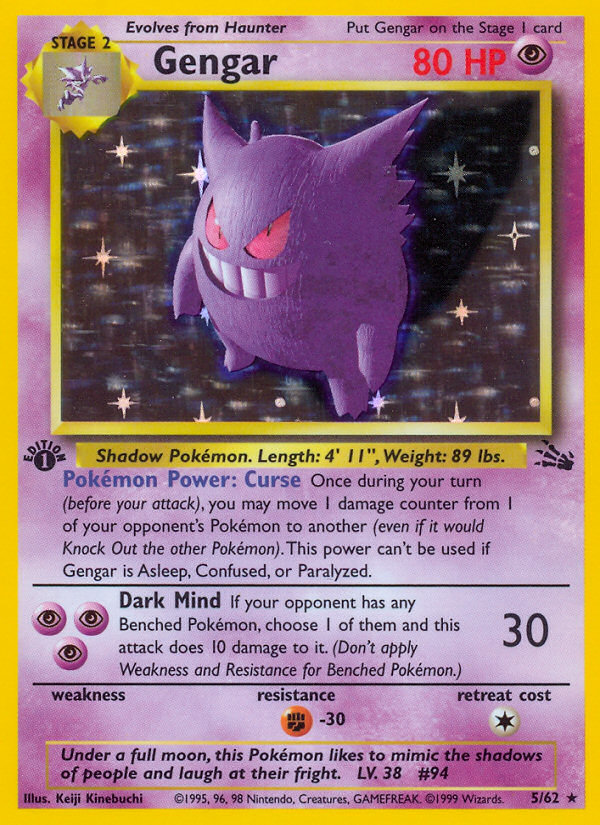
Gengar (Fossil): What It Is and What It's Worth
What the 1999 Fossil Gengar holo is, why centering wrecks so many copies, and how to price the unlimited and first edition printings at your table.
 Card spotlight
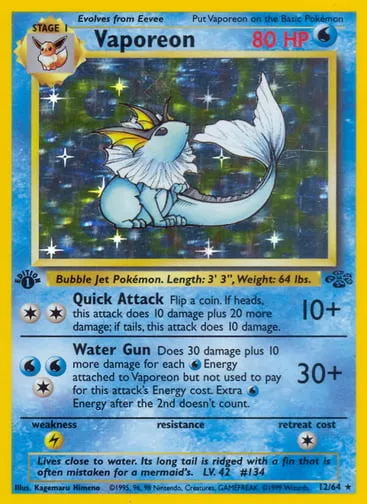
Vaporeon (Jungle): What It Is and What It's Worth
What the 1999 Jungle Vaporeon holo is worth, why 1st Edition and unlimited price so differently, and how to price a raw copy at a show.
 Card spotlight
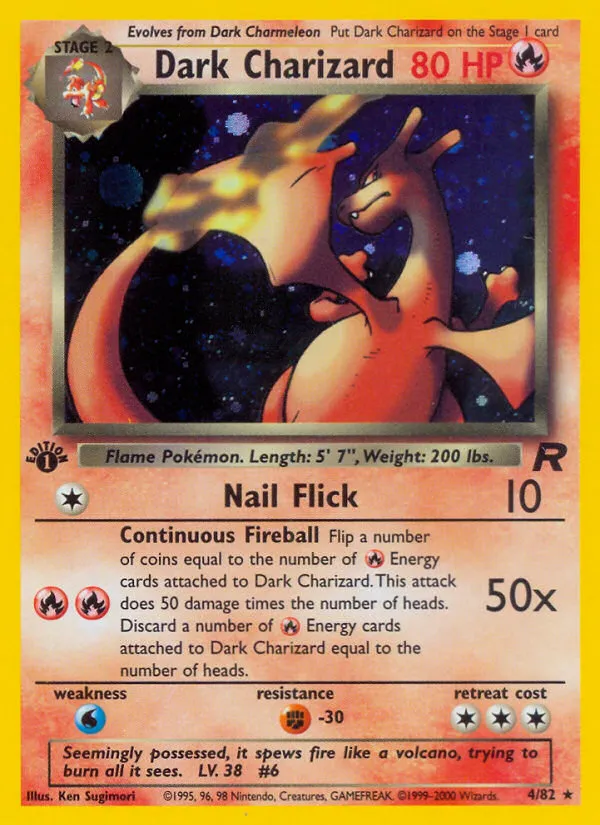
Dark Charizard (Team Rocket): What It Is and What It's Worth
What the Team Rocket Dark Charizard is, why vintage buyers still ask for it by name, and how printing and condition move what you can charge.
 Card spotlight
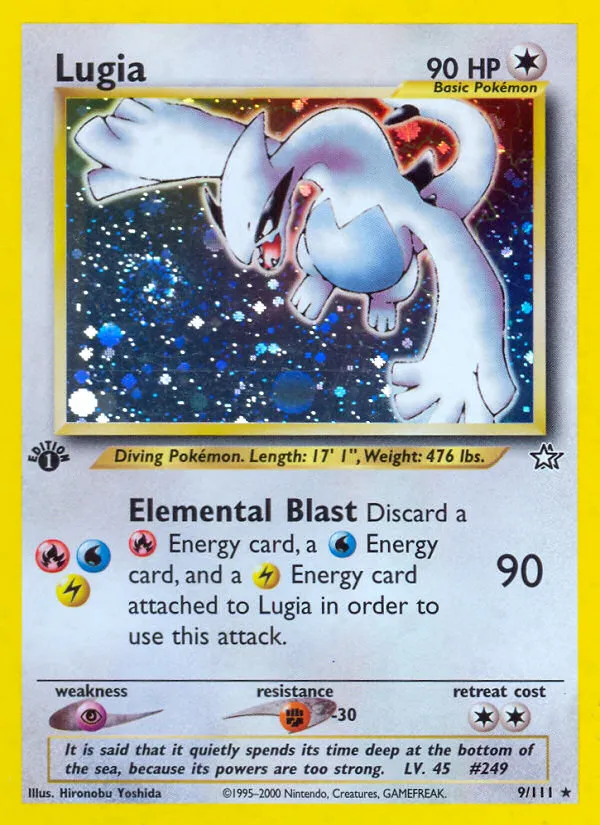
Lugia (Neo Genesis): What It Is and What It's Worth
What the Neo Genesis Lugia holo is, why it is a vintage grail, and how printing and condition move its value at a vendor table.
More cards from this set
Snorlax 11/64
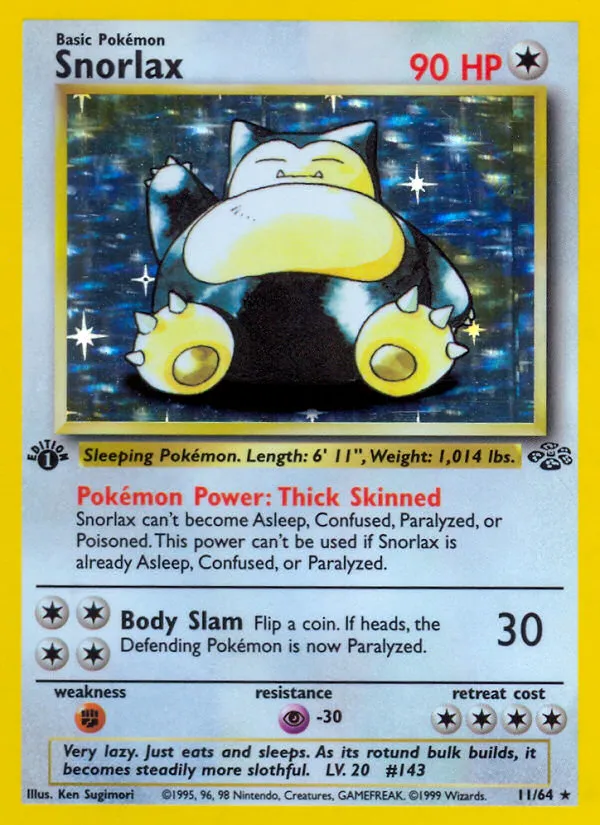
Snorlax 11/64 is the headline holo of the 1999 Jungle set, and it has stayed there through every vintage cycle since. For a vendor that makes it easy stock to move and easy stock to misprice. The difference between the two Jungle print runs is not cosmetic, it is commercial, and the buyer standing at your table almost always knows which one they are holding.
Dragonite 4/62
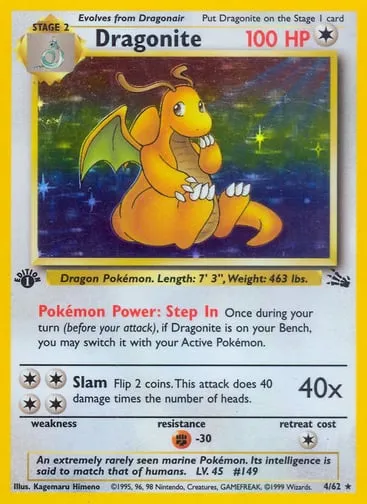
The 1999 Fossil Dragonite holo shows up in a lot of vintage boxes, and it gets priced wrong a lot too. It is not a card that turns heads the way a Charizard does, but it moves steadily, and the printing on the card, not the Pokemon on it, is what actually sets the number. Get that part right and pricing it at your table is straightforward.
Blaine's Charizard 2/132
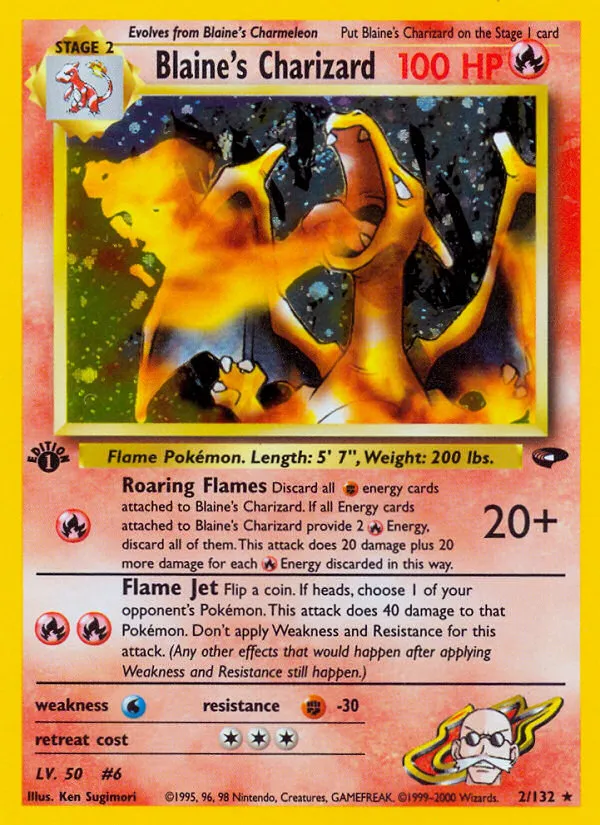
Blaine's Charizard is the holo rare that opens Gym Challenge, the second of the two Gym-era sets Wizards of the Coast put out in 2000. It sits in a useful spot in a vintage case: recognisably a Wizards-era Charizard, wanted by the same people who chase Base Set, but trading well below it. That also makes it one of the easiest vintage cards to misprice, because the number swings hard on which printing you are holding.
Typhlosion 17/111
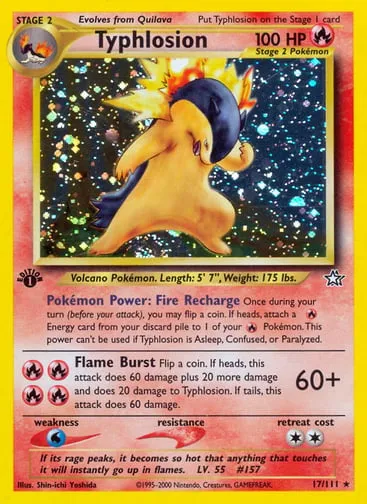
Neo Genesis brought the Johto starters to the table for the first time, and Typhlosion's holo rare has aged into a quiet vintage staple. It will never carry Charizard money, but it moves steadily, and vendors who don't check which printing they're holding routinely misprice it.
Shining Charizard 107/105
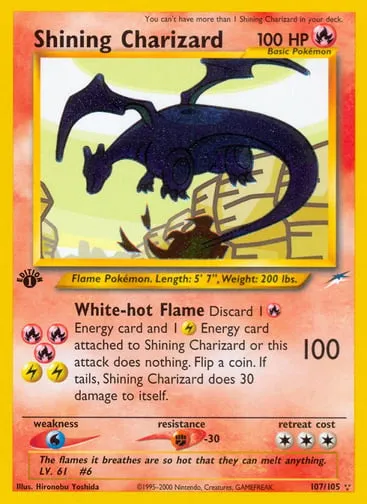
Neo Destiny introduced a rarity that had not existed before it: Shining Pokemon, printed in their shiny color palette and slotted into the set above the normal numbering. Shining Charizard was the headline of that run, and more than two decades later it is still one of the cards a buyer will stop and ask about by name. If you stock vintage, understanding why this one holds a premium, and how to grade and price a raw copy, keeps you from either underselling it or quoting a number you cannot back up.
Prices are TCGplayer market snapshots (through Scrydex or pokemontcg.io), each dated where it is shown, and are not refreshed on this page. Card images via Scrydex and pokemontcg.io. CardOps is an independent tool, not endorsed by any publisher or grading company.